Stop CHEATERS Act
Sponsor
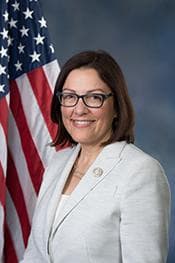
Full profile: /officials/D000617
Source: Congress.gov · FEC
Cosponsors (39)
Members who have signed on to support this bill since introduction. Source: Congress.gov.
- Adelita S. Grijalva (D-AZ-7)Original· 2026-07-16
- André Carson (D-IN-7)Original· 2026-07-16
- Christopher R. Deluzio (D-PA-17)Original· 2026-07-16
- Daniel S. Goldman (D-NY-10)Original· 2026-07-16
- Danny K. Davis (D-IL-7)Original· 2026-07-16
- Dina Titus (D-NV-1)Original· 2026-07-16
- Donald S. Beyer, Jr. (D-VA-8)Original· 2026-07-16
- Eleanor Holmes Norton (D-DC)Original· 2026-07-16
- Emily Randall (D-WA-6)Original· 2026-07-16
- Gwen Moore (D-WI-4)Original· 2026-07-16
- Henry C. "Hank" Johnson, Jr. (D-GA-4)Original· 2026-07-16
- James P. McGovern (D-MA-2)Original· 2026-07-16
- Janice D. Schakowsky (D-IL-9)Original· 2026-07-16
- Jesús G. "Chuy" García (D-IL-4)Original· 2026-07-16
- Jimmy Gomez (D-CA-34)Original· 2026-07-16
- Joe Neguse (D-CO-2)Original· 2026-07-16
- John B. Larson (D-CT-1)Original· 2026-07-16
- Judy Chu (D-CA-28)Original· 2026-07-16
- Kevin Mullin (D-CA-15)Original· 2026-07-16
- Lateefah Simon (D-CA-12)Original· 2026-07-16
- Linda T. Sánchez (D-CA-38)Original· 2026-07-16
- Maggie Goodlander (D-NH-2)Original· 2026-07-16
- Mark Pocan (D-WI-2)Original· 2026-07-16
- Mary Gay Scanlon (D-PA-5)Original· 2026-07-16
- Maxine Dexter (D-OR-3)Original· 2026-07-16
- Mike Quigley (D-IL-5)Original· 2026-07-16
- Nanette Diaz Barragán (D-CA-44)Original· 2026-07-16
- Paul Tonko (D-NY-20)Original· 2026-07-16
- Pramila Jayapal (D-WA-7)Original· 2026-07-16
- Rashida Tlaib (D-MI-12)Original· 2026-07-16
- Ro Khanna (D-CA-17)Original· 2026-07-16
- Sarah McBride (D-DE)Original· 2026-07-16
- Seth Moulton (D-MA-6)Original· 2026-07-16
- Steven Horsford (D-NV-4)Original· 2026-07-16
- Summer L. Lee (D-PA-12)Original· 2026-07-16
- Suzanne Bonamici (D-OR-1)Original· 2026-07-16
- Terri A. Sewell (D-AL-7)Original· 2026-07-16
- Thomas R. Suozzi (D-NY-3)Original· 2026-07-16
- Valerie P. Foushee (D-NC-4)Original· 2026-07-16
Latest Action
The most recent step in the bill's legislative path. Committee Activity below shows referrals and reports; the full action-by-action history including floor proceedings lives at Congress.gov →
Committee Activity
Currently in
- House Committee on AppropriationsReferred To · 2026-07-16
Plain-English Summary
The federal government would provide funding to modernize the IRS's outdated computer systems and increase tax enforcement activities. This money would help the agency update its technology infrastructure, hire more auditors and enforcement staff, and improve customer service for taxpayers. Businesses and individuals filing taxes would potentially benefit from faster processing and better service, while the government aims to collect more unpaid taxes through increased enforcement.
AI-assisted summary generated from the official bill metadata (title, subjects, actions) sourced from Congress.gov. Cached and reviewed. Always verify against the official text linked below.
Full Bill Text
Verbatim text published on Congress.gov via GovInfo. Use Cmd+F / Ctrl+F to search within this excerpt.
119 HR 9736 IH: Stop Corporations and High Earners from Avoiding Taxes and Enforce the Rules Strictly Act U.S. House of Representatives 2026-07-16 text/xml EN Pursuant to Title 17 Section 105 of the United States Code, this file is not subject to copyright protection and is in the public domain. I119th CONGRESS2d SessionH. R. 9736IN THE HOUSE OF REPRESENTATIVESJuly 16, 2026Ms. DelBene (for herself, Ms. Sewell, Ms. Chu, Mr. Khanna, Ms. Norton, Mr. Davis of Illinois, Ms. Tlaib, Mr. Larson of Connecticut, Mr. Moulton, Mr. García of Illinois, Mr. Goldman of New York, Mr. Beyer, Ms. Moore of Wisconsin, Mr. Gomez, Ms. McBride, Mr. Deluzio, Mr. McGovern, Ms. Sánchez, Mr. Quigley, Ms. Scanlon, Mr. Pocan, Mr. Suozzi, Ms. Dexter, Mr. Johnson of Georgia, Ms. Schakowsky, Mr. Carson, Mrs. Grijalva, Ms. Jayapal, Mr. Tonko, Ms. Goodlander, Ms. Titus, Mr. Mullin, Ms. Randall, Ms. Simon, Ms. Lee of Pennsylvania, Ms. Barragán, Ms. Bonamici, Mr. Neguse, Mr. Horsford, and Mrs. Foushee) introduced the following bill; which was referred to the Committee on AppropriationsA BILLTo provide appropriations for the Internal Revenue Service to overhaul technology and strengthen enforcement, and for other purposes. 1.Short titleThis Act may be cited as the Stop Corporations and High Earners from Avoiding Taxes and Enforce the Rules Strictly Act or the Stop CHEATERS Act. 2.Additional appropriations for the Internal Revenue Service (a)EnforcementIn addition to other amounts, there is appropriated the following amounts for necessary expenses for tax enforcement activities of the Internal Revenue Service to pursue the objectives described in section 3(a)(1), including to determine and collect owed taxes, to provide legal and litigation support, to conduct criminal investigations, to enforce criminal statutes related to violations of internal revenue laws and other financial crimes, to purchase and hire passenger motor vehicles (31 U.S.C. 1343(b)), and to provide other services as authorized by 5 U.S.C. 3109, at such rates as may be determined by the Commissioner: (1)For fiscal year 2026, $3,600,000,000. (2)For fiscal year 2027, $5,000,000,000. (3)For fiscal year 2028, $6,500,000,000. (4)For fiscal year 2029, $8,200,000,000. (5)For fiscal year 2030, $10,100,000,000. (6)For fiscal year 2031, $12,200,000,000. (b)Taxpayer servicesIn addition to other amounts, there are appropriated the following amounts to provide taxpayer services, including pre-filing assistance and education, filing and account services, and taxpayer advocacy services: (1)For fiscal year 2026, $1,400,000,000. (2)For fiscal year 2027, $1,600,000,000. (3)For fiscal year 2028, $1,600,000,000. (4)For fiscal year 2029, $1,600,000,000. (5)For fiscal year 2030, $1,700,000,000. (6)For fiscal year 2031, $1,700,000,000. (c)Technology and operations supportThere are appropriated the following additional amounts for the Department of the Treasury—Internal Revenue Service—Operations Support account to overhaul outdated technology of the Internal Revenue Service and improve the capacity of the Internal Revenue Service to detect fraud and noncompliance: (1)For fiscal year 2026, $900,000,000. (2)For fiscal year 2027, $4,500,000,000. (3)For fiscal year 2028, $4,500,000,000. (4)For fiscal year 2029, $4,800,000,000. (5)For fiscal year 2030, $4,800,000,000. (6)For fiscal year 2031, $5,900,000,000. (d)Business systems modernizationThere are appropriated the following additional amounts for necessary expenses of the Internal Revenue Service’s business systems modernization program, but not including the operation and maintenance of legacy systems: (1)For fiscal year 2026, $1,000,000,000. (2)For fiscal year 2027, $900,000,000. (3)For fiscal year 2028, $300,000,000. (4)For fiscal year 2029, $300,000,000. (5) For fiscal year 2030, $300,000,000. (6) For fiscal year 2031, $300,000,000. (e)AvailabilityEach additional amount appropriated by this section shall remain available until expended. 3.Reports to Congress (a)In generalNot later than 1 year after the date of the enactment of this Act and every 2 years thereafter, the Commissioner of Internal Revenue shall submit to Congress a report containing— (1)a comprehensive description of— (A)a plan to— (i)shift more of the auditing…
Show the remaining 148 wordsHide the remaining 148 words
and enforcement assets of the Internal Revenue Service toward high-income individuals and large corporations, (ii)recruit and retain auditors with the skills essential to audit high-income individuals and large corporations, and (iii)increase voluntary compliance among high-income individuals and large corporations, and (B)the progress made in implementing such plan, and (2)an analysis of how much of the difference between tax liabilities owed to the United States under the Internal Revenue Code of 1986 and those liabilities actually collected by the Internal Revenue Service are attributable to taxpayers at different income levels, including high-income individuals and large corporations. (b)Inspector generalNot later than 1 year after the first report is submitted under subsection (a) and every 2 years thereafter, the Treasury Inspector General for Tax Administration shall submit to Congress a report evaluating the plan described in subsection (a)(1) and the progress made by the Internal Revenue Service in implementing such plan.
Related legislation
Bills by the same sponsor or covering overlapping subjects.
- HR9509Kidney Disease Education Access Expansion Act of 2026Referred to Committee · 2026-06-29
- HR9121Manufacturing Jobs for Veterans Act of 2026Referred to Committee · 2026-06-03
- HR9016Email Privacy ActReferred to Committee · 2026-05-22
- HR8261Chronic Care Management Improvement Act of 2026Referred to Committee · 2026-04-14